
Major Hive Blockchain miner reports $90 million loss after Ethereum switches to PoS

Hive Blockchain reported financial results for the last three months of 2022. It said it received 51.6% less profit from cryptocurrency mining in that period than it did a year earlier

The Ethereum blockchain’s transition to the Proof-of-Stake (PoS) algorithm was one of the reasons for a $90 million loss at major miner Hive Blockchain for the fourth quarter of 2022. The company released its financial results for the last three months of last year. In doing so, it noted that in addition to September’s Ethereum update, the losses were also contributed to the decline in the price of digital assets. As well as on mining equipment at the end of last year.

Our experts note that this report shows that the miner generated $14.1 million in cryptocurrency mining revenue during that period, down 51.6 percent from a year earlier. And the gross profit earned by Hive from mining in the fourth quarter of last year was $3.6 million, down 77% from $15.9 million in the previous quarter.

According to Miner, the average mining cost per Bitcoin in the last three months of 2022 was $13,600. While the average Bitcoin price during that time was $18k. This increased BTC production costs by 37% over the previous quarter. The company revalued its mining equipment, which also led to a $38.8 million loss on Hive’s balance sheet.

Additional reasons for losses

In addition to the “Merger” and the strong decline in cryptocurrency prices from the end of 2021. Hive’s revenue was also driven by a significant increase in global Bitcoin hashrate and an annual increase in mining complexity of 60%, to nearly 40T.

At the same time, the company noted that it mined 787 BTC during this period. And this is 13% more than in the same period of 2021, when 697 Bitcoins were mined. According to the Hive team, this reflects continued growth in its operating hashrate.

Hive also reported that the fleet of GPUs formerly used to mine Ethereum is not currently idle. And it’s generating an average annual revenue of more than $1 million by being busy with computational workloads unrelated to mining digital assets.
 

Read More

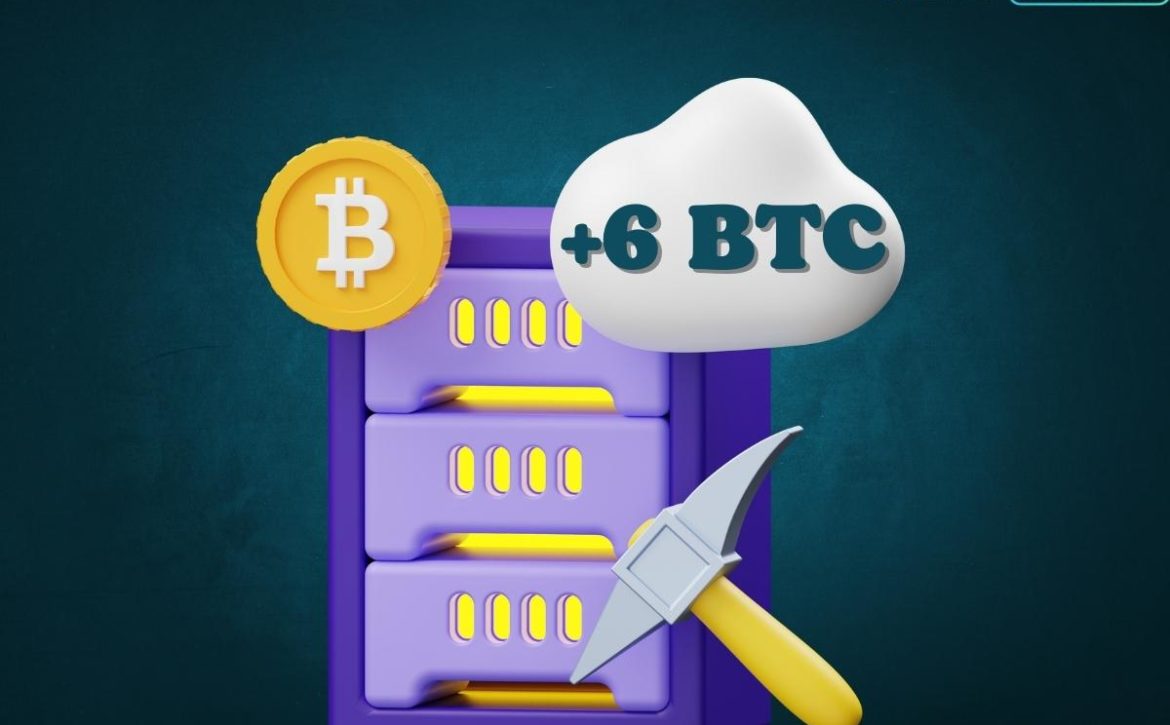
Miner on a primitive device earned 6 Bitcoins

Our experts explained how a private miner managed to get a reward for the found block. With hardly noticeable computing power he was able to get 6 BTC

A lucky private miner, with barely a fraction of the processing power in the Bitcoin network. He received a reward of 6.35 BTC for finding a block numbered 772,793.

The chances of adding a block as a single miner are determined by the number of hashes. Which the miner device calculates per second. Relative to the total number of hashes that all the machines on the network compute each second.

Typically, blocks are mined by large pools combining the power of thousands of devices participating in a pool of users. The largest of them are Foundry, AntPool and Exchange of Binance’s own pool.

At the time the block was added to blockchain, the total bitcoin hashrate was just over 269 EH/s. That is, a single miner’s hash rate of 10 TH/s was only 0.000000037% of the total computing power of that network.

Chance of getting such a reward is like a big win in a lottery

Our experts say that this is an extremely atypical case. One miner privately can work for 30 years and not pick up the right hash during this time. At the same time he will consume electricity and produce a resource of equipment. The risks of finding nothing and making a loss are much greater.

It’s like buying a lottery ticket. You can buy one ticket every day and not get a win. Or you can buy one single time and win, but the chances are slim. If you approach mining as a business, it is more pragmatic to get a more modest but guaranteed income every day.

Now hashrate of network is 283 million TH/s against 10,6 TH/s capacity of unknown miner. In theory, with such parameters of the equipment it should mine one block out of almost 27 thousand mined blocks. Considering that about 900 BTC are mined per day, that’s about one block in 81 years.

Solo mining can be used when mining new coins, where the network capacity is quite low. And one person’s equipment takes a noticeable share of the entire processing power of the network. With pools, the probability of receiving remuneration increases many times over. But the user receives only a share of the reward, proportionally calculated from the entire computing power of the pool.

Bitcointalk forum users, discussing the lucky miner. came to the conclusion that his setup consisted of four rudimentary USB miners, each of which produced no more than 3 TH/s and cost about $200.

Our experts congratulate this guy, but remind us that it was a lucky lottery ticket.

Read More